Advantages of CTIA’s MHC Alloy
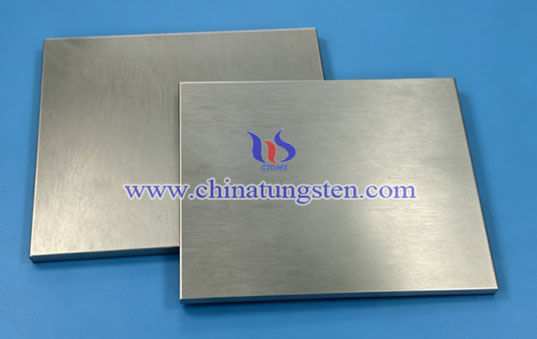
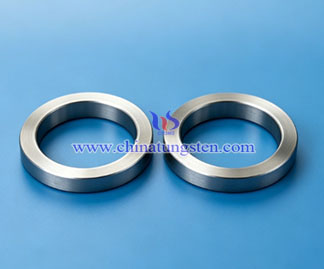
MHC alloy (Molybdenum Hafnium Carbon Alloy) stands out among various molybdenum alloys as a high-end particle-reinforced molybdenum-based high-temperature alloy. Its core advantage lies in achieving excellent comprehensive high-temperature performance through HfC dispersion strengthening, making it one of the preferred materials for high-end applications. Under high-temperature, high-load, and complex thermal cycling conditions, MHC alloy achieves simultaneous improvements in high-temperature strength, creep resistance, and microstructural stability through stable microstructural design. Therefore, it offers significant material advantages in high-end hot working and extreme service environments. The advantages of CTIA's MHC alloy are mainly reflected in high-temperature mechanical properties, long-term service stability, and thermophysical compatibility.
Advantages of CTIA’s MHC Alloy
CTIA’s MHC alloy exhibits excellent high-temperature strength, creep resistance, and high recrystallization temperature, maintaining stable mechanical properties and microstructure during long-term high-temperature service. The HfC dispersion phase effectively suppresses dislocation movement and grain boundary migration, significantly improving thermal fatigue resistance and dimensional stability. MHC alloy also features high thermal conductivity and low thermal expansion coefficient, enabling effective thermal management, reduced thermal stress, and improved temperature uniformity. In addition, the high-purity molybdenum matrix provides excellent purity and vacuum compatibility, extending the service life of critical components and ensuring stable operation under high-temperature, vacuum, and severe thermal cycling conditions. The key advantages of CTIA MHC alloy are shown in the picture below:
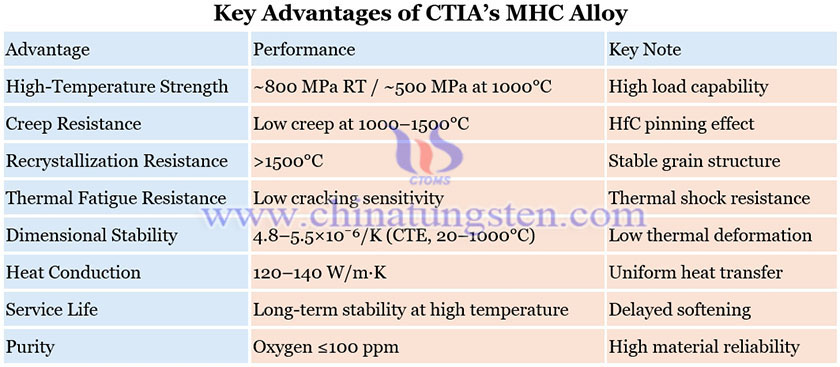
Comprehensive Advantages of CTIA’s MHC Alloy
MHC alloy exhibits excellent overall performance under extreme high-temperature and high-load conditions. Its advantages originate from the synergistic strengthening mechanism between the molybdenum matrix and HfC dispersion phase. While retaining molybdenum’s high melting point (2620°C), high thermal conductivity, and low thermal expansion coefficient, the alloy achieves systematic improvements in high-temperature strength, creep resistance, and structural stability, ensuring reliable structural integrity and dimensional accuracy under long-term thermal loading.
Compared with traditional molybdenum alloys, MHC alloy demonstrates more stable strength retention and lower performance degradation rate at elevated temperatures. High-temperature deformation is significantly reduced, making it suitable for applications requiring dimensional precision and long-term stability, such as high-temperature dies and vacuum thermal equipment components.
MHC alloy also offers excellent thermal shock resistance, good thermal conductivity uniformity, and machinability. It can meet the machining requirements of complex components such as turning, drilling, and precision forming, while maintaining stable performance under cyclic thermal and alternating load conditions.
Compared with pure molybdenum materials, MHC alloy significantly improves high-temperature strength and creep resistance, while delaying thermal softening and grain growth, resulting in longer service life and higher operational reliability. Compared with many conventional high-temperature alloys, it achieves a better balance between high-temperature stability and cost efficiency, making it widely applicable in metal hot forming, aerospace hot-section components, vacuum heat treatment equipment, and glass and ceramic high-temperature processing industries.
Through dispersion strengthening, MHC alloy achieves comprehensive optimization of molybdenum-based high-temperature performance and represents a high-performance material widely used in advanced thermal processing and extreme service environments.
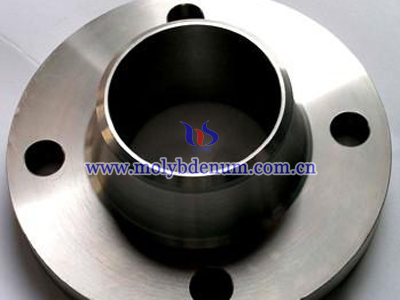
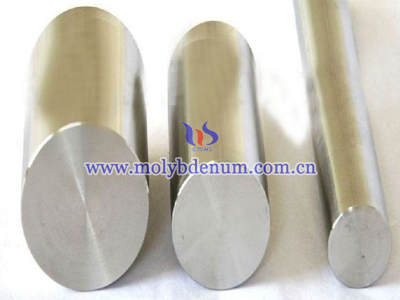
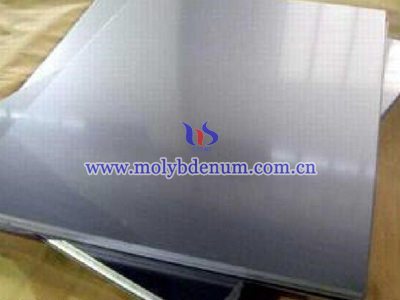
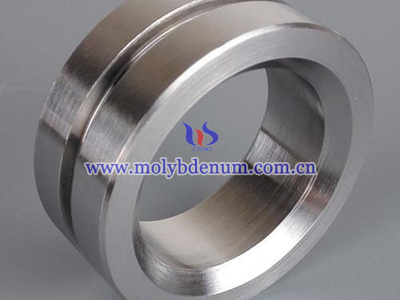
With nearly 30 years of experience in molybdenum and molybdenum alloy manufacturing, CTIA has established a complete process system covering high-purity raw material control, powder metallurgy forming, and precision thermomechanical processing, ensuring uniform microstructure and stable performance of MHC alloy. Through precise control of grain structure, composition ratio, and dispersion phase precipitation, MHC alloy achieves stable high-temperature mechanical performance and reliable service consistency. CTIA provides MHC alloy products including plates, tubes, rods, rings, electrodes, and customized shapes, along with tailored solutions for extreme high-temperature, heavy-load, and complex thermal cycling conditions, meeting long-term industrial demands for high-performance molybdenum-based structural materials.
For any inquiry, please contact molybdenum and molybdenum alloy manufacturer: CTIA GROUP
Email: sales@chinatungsten.com
Tel: 0086 592 5129696 / 0086 592 5129595
Website: www.molybdenum.com.cn
WeChat:

Related Products: