What's MHC Alloy?
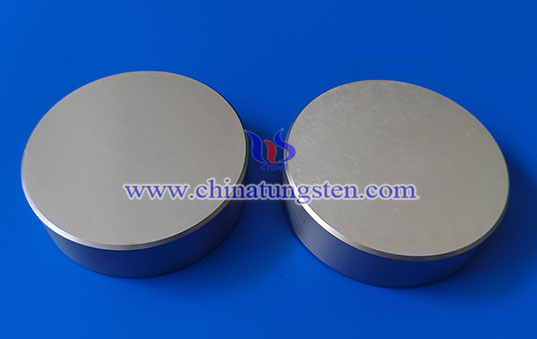
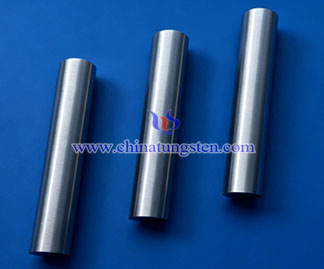
MHC alloy (Molybdenum Hafnium Carbon Alloy), also known as MHC molybdenum alloy, is a particle-reinforced high-purity molybdenum-based alloy formed by adding small amounts of hafnium (Hf) and carbon (C) to a molybdenum matrix.
MHC alloy primarily achieves excellent grain stability and creep resistance at extremely high temperatures through the strong pinning effect of finely dispersed hafnium carbide (HfC) second-phase particles on lattice dislocations. Compared with traditional grain-boundary-strengthened molybdenum lanthanum (Mo-La) alloys and solid-solution-strengthened TZM (Titanium Zirconium Molybdenum) alloys, MHC alloy offers more significant advantages in mechanical strength and recrystallization temperature under ultra-high temperature conditions.
The typical composition of MHC alloy includes Mo (≥98.5%–99.0%), Hf (1.0%–1.2%), and C (0.05%–0.15%), with strict control of impurity elements such as Fe, Ni, and Si at low levels. The material features a uniformly dispersed sub-micron HfC particle structure within the molybdenum matrix, which is the core source of its high-temperature performance.
CTIA's MHC alloy is typically manufactured using powder metallurgy processes, including powder blending, cold isostatic pressing, high-temperature sintering, and subsequent thermomechanical processing such as forging, rolling, or rotary swaging. Precise process control effectively increases material density, ensures a more uniform and stable microstructure, and further enhances high-temperature service performance and dimensional stability.
Thanks to its unique micro-dispersion strengthening mechanism, MHC alloy retains the high melting point (approximately 2620°C), high thermal conductivity, and low thermal expansion characteristics of pure molybdenum while significantly improving creep resistance and thermal fatigue resistance under high-temperature and high-load environments. The alloy exhibits excellent high-temperature strength, with tensile strength of about 800 MPa at room temperature and around 500 MPa at 1000°C. With a recrystallization temperature above 1500°C, it maintains stable microstructure during long-term high-temperature service, effectively reducing softening and deformation risks.
CTIA’s MHC alloy is widely used in high-temperature forging, extrusion, hot forming, and stamping dies, vacuum furnaces, vacuum heat treatment systems, and vacuum sintering equipment. It is also applied in crucibles, ceramic setter plates, electron beam evaporation components, X-ray rotating anode targets, semiconductor vacuum thermal processing components, and aerospace and nuclear high-temperature structural parts operating in extreme environments.
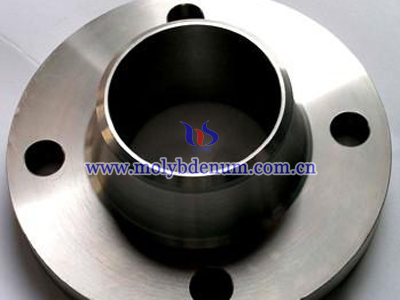
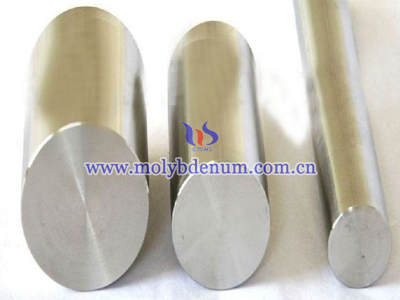
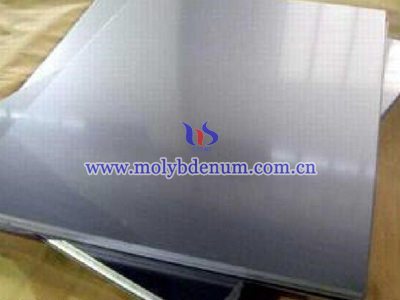
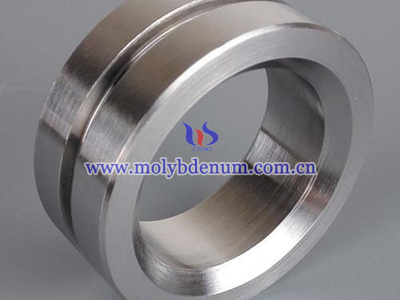
With nearly 30 years of deep expertise in molybdenum and molybdenum alloy manufacturing, CTIA provides integrated solutions for MHC alloy plates, sheets, rods, discs, tubes, rings, electrodes, and customized parts to meet the industrial demands of high-end applications requiring high temperature, high load, and long service life.
For any inquiry, please contact molybdenum and molybdenum alloy manufacturer: CTIA GROUP
Email: sales@chinatungsten.com
Tel: 0086 592 5129696 / 0086 592 5129595
Website: www.molybdenum.com.cn
WeChat:

Related Products: