MHC Alloy in Semiconductor Thermal Process Components
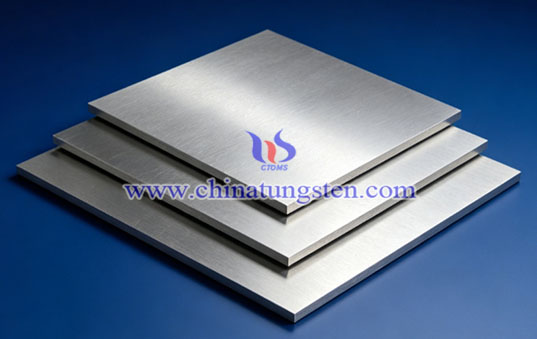
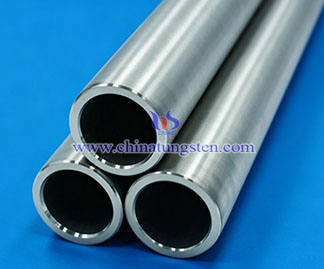
MHC alloy (Molybdenum Hafnium Carbon Alloy) is molybdenum-based dispersion-strengthened high-temperature alloy produced from high-purity molybdenum (Mo ≥ 98.5%) with hafnium (Hf: 1.0%–1.2%) and carbon (C: 0.05%–0.15%) additions, forming in-situ HfC dispersion strengthening phases through powder metallurgy. Semiconductor thermal processes such as wafer annealing, diffusion, oxidation, and high-vacuum heat treatment typically operate above 1000°C under high-vacuum conditions, placing strict requirements on semiconductor thermal process components in terms of purity, high-temperature strength, dimensional stability, low vapor pressure, and outgassing control. Conventional molybdenum materials tend to recrystallize during long-term service, leading to strength degradation, creep deformation, and particle release risk. MHC alloy suppresses these effects through stable HfC dispersion strengthening, providing excellent high-temperature performance and microstructural stability for critical hot-zone components.
1. Advantages of CTIA's MHC Alloy in Semiconductor Thermal Process Components
(1) Excellent High-Temperature Strength Retention: Maintains stable mechanical properties above 1000°C under continuous operation conditions.
(2) Low Vapor Pressure and High Purity: Reduces volatilization and particle contamination in high-vacuum environments, improving process cleanliness.
(3) Outstanding Creep Resistance: HfC dispersion phases effectively suppress grain boundary sliding and high-temperature deformation.
(4) Superior Microstructural Stability: The recrystallization temperature above 1500°C ensures grain stability during thermal cycling.
(5) Excellent Thermal Management Performance: High thermal conductivity and low thermal expansion improve temperature uniformity and reduce thermal stress.
2. Applications of CTIA's MHC Alloy in Semiconductor Thermal Process Components
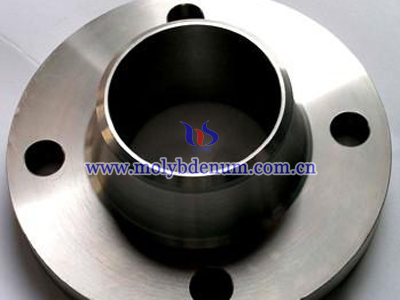
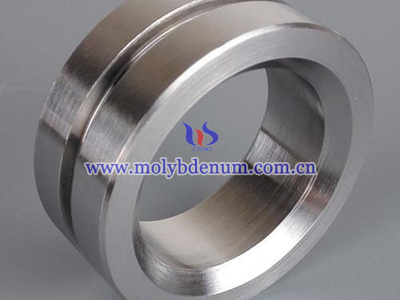
CTIA’s MHC alloy can be used in: (1) hot-zone structures and support components for semiconductor vacuum thermal processing furnaces; (2) support structures and positioning components for wafer thermal processing equipment; (3) insulation structures and connecting components for high-temperature annealing equipment; (4) hot-zone structures and fixtures for semiconductor sintering equipment; and (5) high-temperature structural and support components for vacuum processing equipment.
3. Specifications of CTIA's MHC Alloy in Semiconductor Thermal Process Components
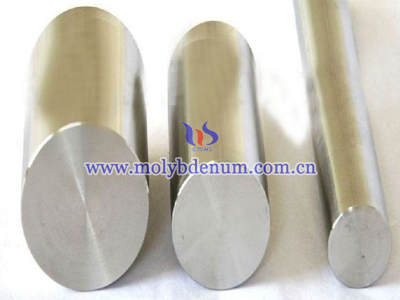
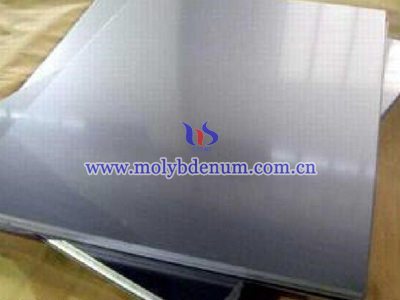
Supply Forms: MHC alloy rods, plates, sheets, tubes, customizable
Dimensions: Customizable
CTIA has specialized in molybdenum and molybdenum alloy manufacturing for nearly 30 years. Through optimized powder metallurgy composition design, high-temperature densification, and precision thermal processing, CTIA ensures uniform microstructure, stable properties, and consistent dimensional accuracy. CTIA supplies MHC alloy components for semiconductor thermal process systems, including hot-zone structures, load-bearing parts, and high-temperature critical components.
For any inquiry, please contact molybdenum and molybdenum alloy manufacturer: CTIA GROUP
Email: sales@chinatungsten.com
Tel: 0086 592 5129696 / 0086 592 5129595
Website: www.molybdenum.com.cn
WeChat:

Related Products: