What Are Applications of MHC Alloy?
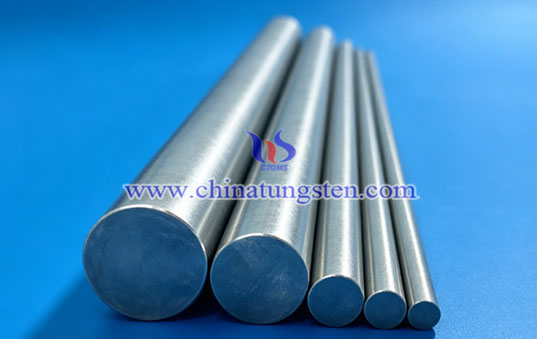
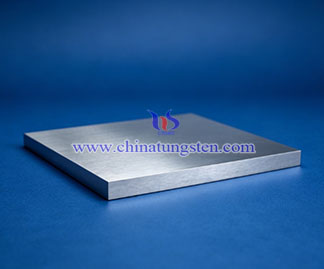
MHC alloy (Molybdenum Hafnium Carbon Alloy) is a high-performance refractory alloy based on high-purity molybdenum and strengthened by the in-situ formation of dispersed hafnium carbide (HfC) particles through the addition of hafnium (Hf) and carbon (C). With a melting point of approximately 2620°C, excellent high-temperature strength retention, outstanding creep resistance, high thermal conductivity, and superior thermal shock resistance, MHC alloy is widely used in high-temperature, vacuum, and extreme thermal load environments. CTIA’s MHC alloy products have wide applications in the following fields:
1. MHC Alloy in High-Temperature Forming and Die Applications
CTIA’s MHC alloy is widely used in hot forging dies, metal extrusion dies, hot forming dies, hot stamping dies, and other thermal processing equipment. With a melting point of approximately 2620°C, high-temperature strength of about 500 MPa at 1000°C, and excellent creep resistance, MHC alloy performs reliably in demanding hot-working applications involving copper, copper alloys, and high-temperature alloys. Under cyclic mechanical loads and thermal shock conditions, dispersed HfC particles inhibit grain boundary movement and dislocation motion, delaying microstructural softening while improving die life and dimensional stability.
2. MHC Alloy in Vacuum High-Temperature Thermal Equipment
CTIA’s MHC alloy is widely used in critical components for vacuum furnaces, vacuum heat treatment equipment, and vacuum sintering furnaces. MHC alloy features low vapor pressure, high thermal conductivity (120–150 W/(m·K)), and excellent thermal shock resistance, making it suitable for long-term operation under repeated high-temperature vacuum cycles without contaminating the processing environment. Its recrystallization temperature is typically above 1500°C, enabling stable microstructures throughout multiple heating cycles and supporting demanding vacuum heat treatment and powder sintering applications.
3. MHC Alloy in High-Temperature Load-Bearing and Process Container Components
CTIA’s MHC alloy is widely used in high-temperature crucibles, ceramic sintering setter plates, and other structural components for high-temperature processing systems. MHC alloy is suitable for high-purity material melting, ceramic sintering, and electronic material heat treatment. Excellent structural stability and deformation resistance at elevated temperatures, combined with low coefficient of thermal expansion (approximately 5 × 10⁻⁶/K), help reduce thermal stress, minimize cracking and warping, and improve process consistency and product yield.
4. MHC Alloy in Semiconductor and Vacuum Thin Film Deposition
CTIA’s MHC alloy is widely used in electron beam evaporation, X-ray rotating anode targets, and semiconductor vacuum heat treatment equipment. High purity, low outgassing characteristics, and stable electronic properties ensure excellent performance in high-vacuum environments. As supporting structures for electron beam evaporation sources, MHC alloy withstands high-energy thermal shock. In X-ray rotating anode target assemblies, it combines efficient heat dissipation with high structural strength, enhancing equipment stability and service life.
5. MHC Alloy in Aerospace High-Temperature Structural Components
CTIA’s MHC alloy is widely used in aerospace high-temperature structural components, including engine hot-section supports, thermal protection systems, and high-temperature test structures. MHC alloy maintains excellent microstructural stability and creep resistance under high-temperature oxidation and repeated thermal cycling, meeting the demanding requirements for load-bearing performance and long-term reliability in aerospace applications.
6. MHC Alloy in Nuclear Industry and Advanced Energy Equipment
CTIA’s MHC alloy is widely used in high-temperature structural components for nuclear industry, including high-temperature support structures, thermal shielding assemblies, and experimental reactor components. MHC alloy exhibits excellent structural stability and deformation resistance under combined irradiation and high-temperature conditions. Its high melting point and low vapor pressure make it well suited for long-term service in extreme energy environments.
7. MHC Alloy in Advanced Scientific Research and Specialized Experimental Equipment
CTIA’s MHC alloy is widely used in high-temperature material testing systems, high-energy plasma equipment, and vacuum physics experimental systems. Excellent thermal stability, high thermal conductivity, and outstanding thermal shock resistance enable the material to maintain structural integrity under high heat flux and rapid temperature fluctuations, providing reliable support for high-temperature materials research and extreme-environment experiments.
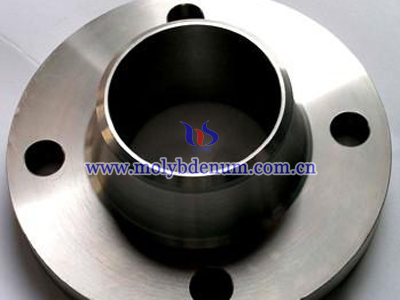
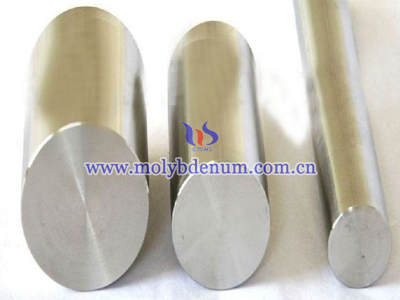
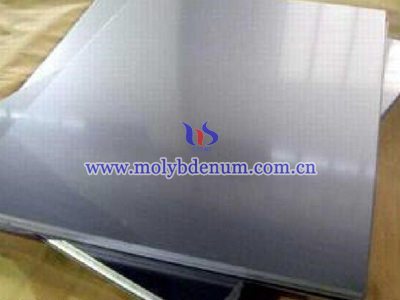
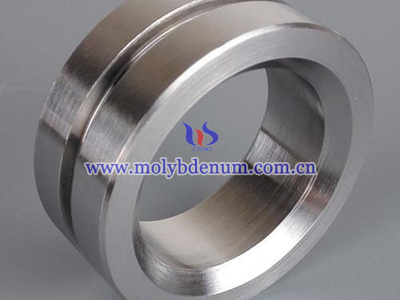
CTIA has specialized in molybdenum and molybdenum alloy manufacturing for nearly 30 years. Using powder metallurgy, in-situ HfC dispersion strengthening, and high-temperature densification sintering, CTIA’s MHC alloy delivers reliable performance in high-temperature and vacuum environments. MHC alloy products are available as plates, sheets, rods, bars, discs, tubes, rings, electrodes, and customized components to meet diverse industrial requirements.
For any inquiry, please contact molybdenum and molybdenum alloy manufacturer: CTIA GROUP
Email: sales@chinatungsten.com
Tel: 0086 592 5129696 / 0086 592 5129595
Website: www.molybdenum.com.cn
WeChat:

Related Products: