MHC Alloy Chemical Composition
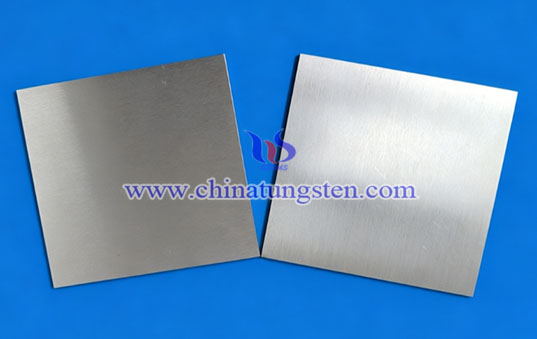
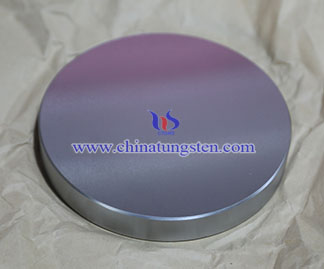
MHC alloy (Molybdenum Hafnium Carbon Alloy) is a typical dispersion-strengthened molybdenum-based high-temperature material. Its chemical composition is precisely designed around the Mo-Hf-C ternary system. By controlling the ratio of hafnium and carbon, stable hafnium carbide (HfC) particles are formed in situ within the molybdenum matrix, providing systematic improvement in high-temperature mechanical properties.
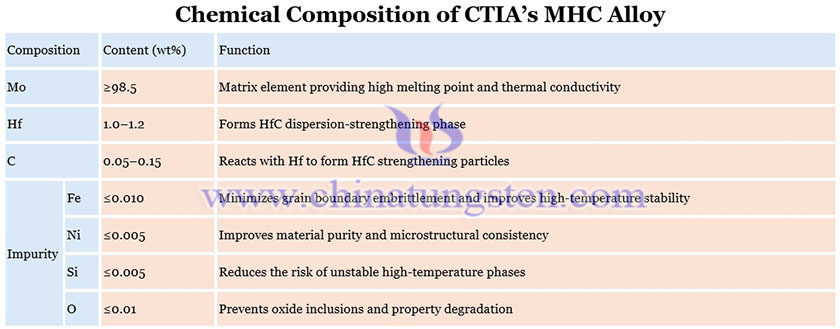
Chemical Composition of CTIA’s MHC Alloy
The chemical composition of CTIA’s MHC alloy mainly includes:
(1) Molybdenum (Mo): Matrix element with a content of ≥98.5% (typically 98.7%–99.0%). It provides the high-melting-point structural framework (about 2620°C), excellent thermal conductivity, and low coefficient of thermal expansion.
(2) Hafnium (Hf): Key alloying element with a content of 1.0%–1.2%. During high-temperature sintering and heat treatment, hafnium reacts with carbon in situ to form stable HfC particles, providing the primary dispersion-strengthening mechanism.
(3) Carbon (C): Content of 0.05%–0.15%. As the carbide-forming element, carbon combines with hafnium at an approximately stoichiometric ratio to form nano- to submicron-sized HfC particles, effectively pinning grain boundaries and inhibiting dislocation movement.
(4) Impurity Elements: Iron (Fe) ≤0.010%, nickel (Ni) ≤0.005%, silicon (Si) ≤0.005%, and oxygen (O) ≤100 ppm. For premium-grade products, oxygen content can be controlled below 50 ppm to ensure stable high-temperature performance and high material purity.
The chemical composition of CTIA’s MHC alloy includes molybdenum (Mo), hafnium (Hf), carbon (C), and impurity elements including iron (Fe), nickel (Ni), silicon (Si), and oxygen (O). Their compositions and functions are shown in picture below:
The composition system maintains an approximately 1:1 atomic ratio of hafnium to carbon, promoting the formation of thermodynamically stable face-centered cubic HfC. Uniformly dispersed throughout the molybdenum matrix, these particles significantly increase the recrystallization temperature (>1500°C), creep resistance, and dimensional stability at elevated temperatures, enabling a recommended maximum service temperature of about 1550°C.
Compared with TZM alloy (Titanium Zirconium Molybdenum), MHC alloy maintains superior strength retention and structural stability at higher temperatures through its HfC dispersion-strengthening mechanism.
CTIA has nearly 30 years of experience in manufacturing molybdenum and molybdenum alloys. By combining precision powder metallurgy batching with comprehensive inspection methods, CTIA ensures uniform and stable MHC alloy composition. Customized composition adjustments are also available to meet specific application requirements and ensure excellent material consistency and reliability.
For any inquiry, please contact molybdenum and molybdenum alloy manufacturer: CTIA GROUP
Email: sales@chinatungsten.com
Tel: 0086 592 5129696 / 0086 592 5129595
Website: www.molybdenum.com.cn
WeChat:

Related Products: