MHC Alloy in Nuclear Structural Components
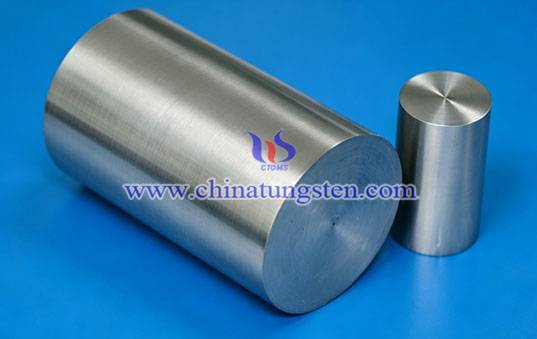
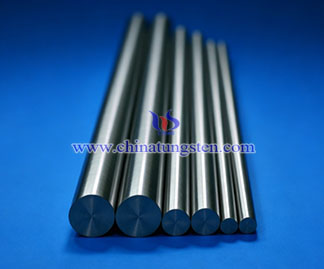
MHC alloy (Molybdenum Hafnium Carbon Alloy) is molybdenum-based high-temperature alloy strengthened by the HfC dispersion-strengthening mechanism. Nuclear high-temperature systems typically operate for extended periods at temperatures above 1000°C under vacuum, inert gas, or thermal cycling conditions, placing stringent requirements on high-temperature strength, creep resistance, microstructural stability, and long-term service reliability. MHC alloy uses high-purity molybdenum as the matrix and is produced using powder metallurgy, with hafnium (Hf) and carbon (C) added to form uniformly distributed HfC strengthening particles in situ. This microstructure significantly improves high-temperature load-bearing capacity, creep resistance, and microstructural stability, while providing recrystallization temperature above 1500°C and melting point of approximately 2620°C, making MHC alloy well suited for nuclear high-temperature structural components and other critical high-temperature equipment.
1. Advantages of CTIA's MHC Alloy in Nuclear Structural Components
(1) Excellent High-Temperature Strength
Maintains excellent mechanical properties at temperatures above 1000°C, meeting the requirements of long-term high-temperature loading.
(2) Outstanding Creep Resistance
The HfC dispersion-strengthened structure effectively suppresses dislocation movement and grain boundary migration, minimizing deformation during prolonged high-temperature service.
(3) Outstanding Microstructural Stability
With recrystallization temperature above 1500°C, grain coarsening is effectively suppressed during prolonged high-temperature exposure and thermal cycling, maintaining structural stability.
(4) Excellent Thermal Stability
The melting point of approximately 2620°C, relatively high thermal conductivity, and low coefficient of thermal expansion help reduce thermal stress and improve thermal shock resistance.
(5) Good Machinability
Suitable for machining complex high-temperature structural components while meeting the dimensional and assembly accuracy requirements of nuclear industry equipment.
2. Applications of CTIA's MHC Alloy in Nuclear Structural Components
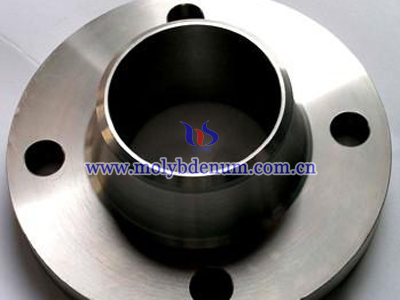
CTIA’s MHC alloy is used in: (1) high-temperature support structures, guide structures, and high-temperature connectors for nuclear reactors; (2) thermal shielding structures, high-temperature support structures, and vacuum structural components for nuclear fusion systems; (3) high-temperature structural components for research reactors and advanced nuclear energy systems; (4) high-temperature load-bearing and positioning structures for nuclear material processing and high-temperature experimental equipment; and (5) hot-zone support structures and high-temperature connectors for nuclear high-temperature vacuum systems.
3. Specifications of CTIA's MHC Alloy in Nuclear Structural Components
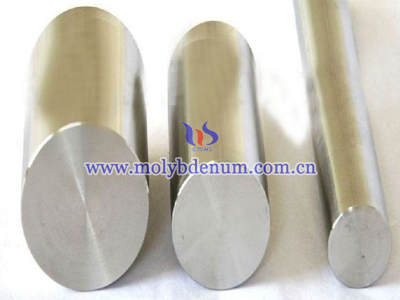
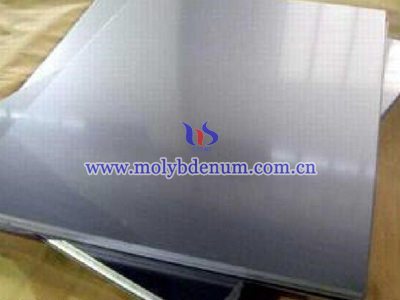
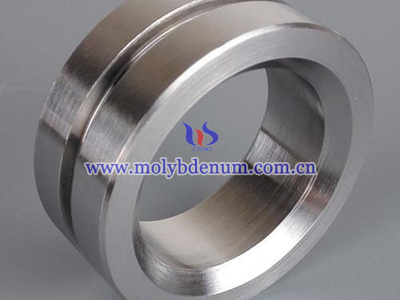
Product Forms: MHC alloy rods, plates, rings, customizable
Dimensions: Customizable
With nearly 30 years of experience in molybdenum and molybdenum alloy manufacturing, CTIA GROUP has optimized MHC alloy composition design, powder metallurgy processing, high-temperature densification, and precision thermomechanical processing to ensure uniform microstructures, stable performance, and consistent dimensional accuracy. CTIA supplies MHC alloy plates, sheets, rods, discs, tubes, rings, and customized components for manufacturing nuclear high-temperature support structures, thermal shielding assemblies, and other high-temperature structural components that meet demanding requirements for high-temperature strength, creep resistance, microstructural stability, and long-term service reliability under prolonged high-temperature operating conditions.
For any inquiry, please contact molybdenum and molybdenum alloy manufacturer: CTIA GROUP
Email: sales@chinatungsten.com
Tel: 0086 592 5129696 / 0086 592 5129595
Website: www.molybdenum.com.cn
WeChat:

Related Products: