MHC Alloy in Forging Dies
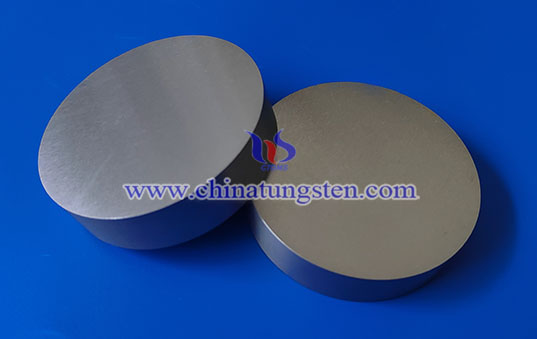
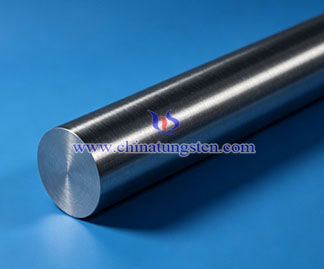
MHC alloy (Molybdenum Hafnium Carbon Alloy) is a high-performance molybdenum-based high-temperature alloy manufactured from high-purity molybdenum. It is widely used in forging dies because in-situ dispersed HfC particles formed through powder metallurgy significantly improve high-temperature strength and creep resistance. By pinning grain boundaries and inhibiting dislocation movement, MHC alloy delivers reliable performance under high-temperature forging and severe thermal shock conditions.
1. Advantages of CTIA's MHC Alloy in Forging Dies
(1) Excellent High-Temperature Strength: High room-temperature strength with outstanding mechanical performance above 1000°C, allowing the material to withstand heavy forging loads.
(2) Outstanding Creep Resistance: Dispersed HfC particles effectively pin grain boundaries and dislocations, significantly reducing creep deformation during prolonged high-temperature service.
(3) Superior Microstructural Stability: Recrystallization temperature above 1500°C minimizes grain growth during repeated thermal cycles, ensuring dimensional stability and forging accuracy.
(4) Excellent Thermophysical Properties: Melting point of approximately 2620°C, combined with high thermal conductivity and low thermal expansion, provides excellent resistance to thermal shock and thermal fatigue, extending die service life.
(5) Good Machinability: Suitable for precision machining into complex die geometries to meet various forging requirements.
2. Applications of CTIA's MHC Alloy in Forging Dies
(1) Isothermal Forging Mandrels: Used as mandrels and punches for isothermal forging of titanium alloys and superalloys, maintaining dimensional accuracy under high pressure and extreme thermal loads.
(2) High-Pressure Extrusion Punches: Used as extrusion punches and liners for copper and aluminum alloy die casting, providing excellent resistance to molten metal erosion and thermal fatigue.
(3) Hot Extrusion and Hot Upsetting Dies: Used for extrusion nozzles, customized liner rings, and high-strength punches in hot extrusion and automated hot upsetting processes.
(4) Precision Die Inserts: Used as wear-resistant inserts in die cavities exposed to severe thermal shock, reducing localized thermal damage and extending overall die service life.
3. Specifications of CTIA's MHC Alloy in Forging Dies
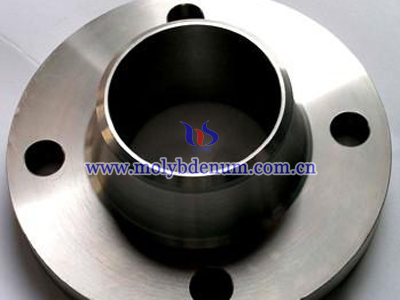
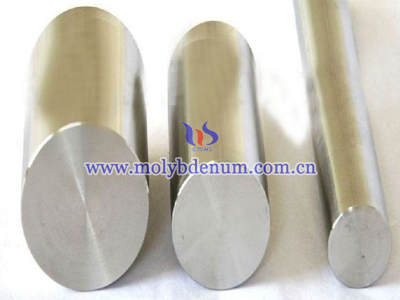
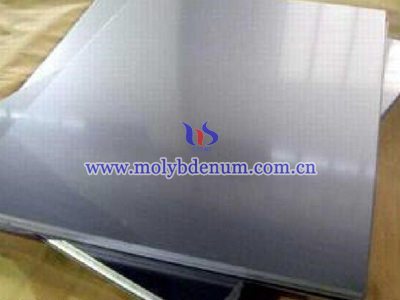
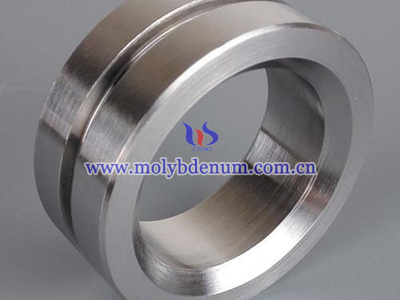
CTIA supplies MHC alloy in plates, round bars, discs, rings, and custom-machined components for forging die applications. Dimensions can be customized. Precision machining is available for complex die geometries, with turned, ground, and precision-polished surface finishes.
CTIA has specialized in molybdenum and molybdenum alloy manufacturing for nearly 30 years. Advanced powder metallurgy and high-temperature densification sintering optimize grain structure, microstructural uniformity, and mechanical properties, enabling MHC alloy to deliver reliable performance under severe thermal shock and cyclic loading conditions. CTIA’s MHC alloy products are available as plates, round bars, discs, rings, and custom-machined components.
For any inquiry, please contact molybdenum and molybdenum alloy manufacturer: CTIA GROUP
Email: sales@chinatungsten.com
Tel: 0086 592 5129696 / 0086 592 5129595
Website: www.molybdenum.com.cn
WeChat:

Related Products: